
Global wellness spending is on track to surpass $8 to $9 trillion by 2026, fueled by rapid innovation and rising demand for proactive health solutions.
Consumers no longer wait for illness before taking action. Preventive, lifestyle-centered care has taken priority, supported by advanced digital tools.
Expectations have shifted toward seamless, digital-first experiences that adapt to individual needs.
Personalized recommendations, real-time feedback, and constant access to health insights are now standard.
Technology is reshaping wellness into a predictive, personalized, and always-on system embedded into everyday life.
Health management is no longer occasional or reactive. It is continuous, data-informed, and integrated into daily routines.
Wearables, Biometrics, and Continuous Health Monitoring
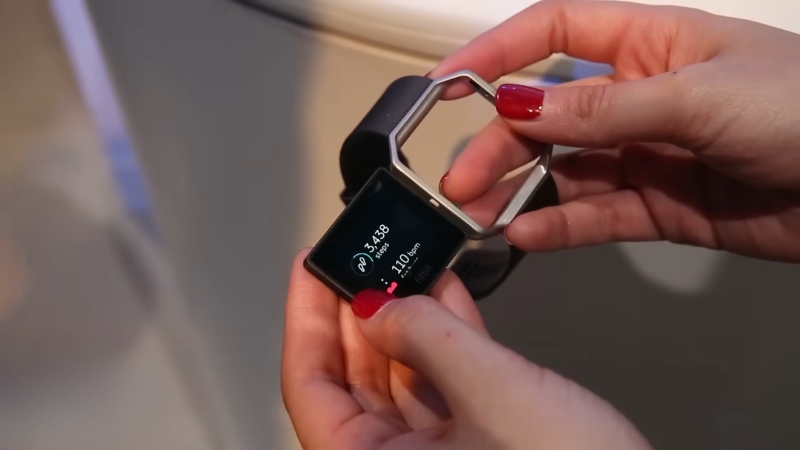
Wearable technology has advanced significantly, expanding into a sophisticated network of biometric tracking tools.
Devices now provide deep insight into physiological functions that were previously difficult to monitor outside clinical settings.
Health tracking is becoming seamlessly integrated into daily life. Sensors are now embedded into clothing, accessories, and even home environments, enabling passive monitoring without interrupting routines.
Continuous monitoring allows early identification of potential health risks. Small deviations in data can signal issues long before noticeable symptoms appear, enabling timely intervention.
Daily adjustments are increasingly automated.
Recommendations shift based on current biometric feedback, helping users align behavior with their body’s immediate needs.
Users gain more control through consistent access to actionable insights. Preventive care becomes part of everyday behavior, supported by real-time feedback.
Tech-Enhanced Fitness and Lifestyle Integration

Fitness is now integrated into a broader digital ecosystem that connects movement, recovery, and overall health. Physical activity is no longer isolated but part of a continuous lifestyle system.
Technology enables more flexible and efficient fitness routines.
On-demand platforms and in-gym systems such as Workout Display allow users to engage in structured workouts with clear, real-time visual guidance that fits their schedules and preferences.
AI-guided training programs are becoming increasingly adaptive. Systems adjust intensity, duration, and exercise selection based on performance data and recovery status.
Core components of connected fitness systems include:
Feedback loops play a critical role in maintaining consistency. Users receive immediate insights that help refine performance and encourage adherence.
Daily movement is gaining importance as a key contributor to long-term health. Small, consistent actions throughout the day are being prioritized alongside structured workouts.
Examples of integrated daily wellness practices include:
Fitness is becoming part of a balanced system focused on sustainability, efficiency, and long-term results.
Longevity Tech and Preventive Health Innovation

Longevity has become a primary focus within wellness, with growing attention on extending healthspan and maintaining peak physical and cognitive function over time.
Advanced diagnostics are expanding access to detailed biological insights. Individuals can now monitor internal health markers with greater precision through accessible testing and analysis.
Artificial intelligence strengthens predictive capabilities by identifying long-term health risks based on complex data patterns.
Cellular and metabolic analysis is enabling more precise personalization. Interventions are designed to support long-term vitality rather than short-term fixes.
Wellness retreats are integrating clinical-grade technologies into their programs. Guests receive data-informed protocols tailored to their biological profile and recovery needs.
Common features within these programs include:
Language around aging is shifting toward maintaining vitality and optimizing long-term performance.
Digital Mental Wellness and Neurotechnology
Mental wellness has emerged as one of the fastest-growing areas in the industry. Technology is playing a major role in expanding access and personalization.
AI-powered therapy tools provide immediate support, offering guidance based on user input and behavioral patterns.
Mindfulness platforms deliver structured programs tailored to stress levels and emotional needs.
Neurotechnology is gaining traction. Brain-training tools and neurofeedback systems help users improve focus, resilience, and emotional regulation.
Mental fitness is becoming a core pillar of overall wellness. Continuous emotional tracking allows individuals to monitor stress and mood in real time.
Workplaces and daily environments are integrating mental wellness tools, making psychological care more accessible and consistent.
Smart Nutrition and Microbiome Technology
View this post on Instagram
Nutrition is becoming highly personalized through the use of biological data and real-time monitoring. General dietary trends are being replaced by individualized approaches based on measurable responses.
Advances in testing technologies provide deeper insight into how the body interacts with food. Individuals can now make decisions based on internal data rather than external trends.
Artificial intelligence processes data points to create customized nutrition plans. Recommendations evolve as the body’s responses change over time.
Food is increasingly treated as a targeted health tool. Personalized nutrition supports energy levels, metabolic balance, and long-term wellness outcomes.
Growth in functional foods and customized supplements reflects this shift. Consumers are seeking products aligned with their biological needs.
Dietary choices are becoming more intentional, supported by continuous feedback and measurable results.
The Rise of AI-Driven Personalization
Artificial intelligence has become the core engine powering modern wellness platforms, shifting health management into a highly individualized system.
Instead of relying on broad recommendations, users now receive plans tailored to their biology, habits, and goals.
Precision wellness is redefining how care is delivered, replacing static programs with adaptive systems that evolve continuously.
Algorithms process large volumes of data across multiple domains to refine recommendations in real time.
Core areas analyzed by AI systems include:
Applications continue to expand across every aspect of wellness. Fitness programs adjust intensity based on performance data, while nutrition plans respond to how the body processes specific foods.
Mental health tools detect behavioral signals and offer timely interventions.
Behavioral guidance is becoming more intelligent and context-aware. Systems now deliver prompts at moments when users are most likely to act, increasing adherence and long-term success.
Data integration is essential to this shift. Multiple data streams merge into a unified profile that evolves over time, creating a continuously updated view of individual health.
High-Tech Wellness Experiences and Retreats

Wellness tourism is evolving through advanced personalization enabled by data and technology. Retreats now offer highly customized programs designed around individual health profiles.
Pre-arrival data collection allows programs to be tailored before guests arrive. Personal goals and biological data shape the structure of each experience.
During the stay, advanced diagnostics guide treatments and daily activities. Programs adapt based on ongoing data collection and feedback.
Medical wellness travel is expanding as healthcare, diagnostics, and hospitality converge. Individuals seek experiences that combine relaxation with measurable health benefits.
Technology ensures continuity after the retreat ends. Digital platforms provide follow-up guidance and ongoing monitoring, supporting long-term progress.
Wellness experiences are shifting into continuous systems of engagement, allowing individuals to maintain progress over time rather than treating care as a one-time event.
The Bottom Line
@talkinghealthtech What does it take for health tech innovations to truly scale in today’s healthcare landscape? 💡 In this episode, Peter Birch speaks with Jason Ward, CEO & Co-Founder at EQL, who breaks down the core challenges of building sustainable solutions for healthcare systems, especially within the unique funding model of the NHS in the UK. Jason explores why so many health tech projects struggle with scalability, highlighting that even the most groundbreaking innovations can’t succeed without addressing fundamental questions: Who pays? How is it funded? And is the solution cost-effective enough to deliver both patient and economic value? Key takeaways include: 🩺 The critical importance of sustainability and ROI for health tech innovations 🏥 Why aligning with both clinical and economic outcomes is essential for large-scale adoption 📉 Insights into the unique challenges of NHS funding and healthcare resource allocation If you want to understand the real-world hurdles of health tech innovation, and what’s needed to get great ideas off the ground and into practice, this episode is a must-listen. 🎧 Catch the full episode – 567, and more at the Talking HealthTech website, YouTube or on your favourite audio podcast platform. #HealthTech #HealthcareInnovation #NHS #Sustainability #TalkingHealthTech ♬ original sound – Talking HealthTech
Technology is reshaping wellness into a continuous, data-informed system centered on personalization.
Preventive care is replacing reactive treatment. Individualized plans are replacing generalized advice.
Integration across daily life is accelerating. Health tools are embedded into home environments, workplaces, and travel experiences.
Alongside advanced systems, simple, effective activities such as mindful breathing, light movement, and quiet reflection remain essential for easing the mind and strengthening overall well-being.
Future progress will involve deeper connections between artificial intelligence, biotechnology, and consumer platforms. Systems will become more predictive and responsive over time.

Hey, I’m Derek Vaughn. I love exploring how tech, business, and productivity come together to shape the way we work. At PulseBlueprint, I write about tools, trends, and strategies that actually make a difference—no fluff, just real-world insights.